Harp of Hope - Diane Schneider, J.D., PhD Harpist
SPECIAL SALE!!! USB stick containing ALL five of Diane's CDs
for only $39!
All CDs and Downlods - only $20 each.
You can order my therapeutic harp CD's, downloads and USB sticks
(which contain 5 CD's) below.
Or, contact me directly any time at 859-919-0082 or [email protected] . GOOD THINGS ARE COMING!
|
SALE NOW ON! Buy any CD, Download, or USB Stick and receive a free download of Harp For Sleep.
|
|
Introduction to Dr. Diane
Diane Schneider, J.D., Ph.D., is a professional Vibration Medicine Therapist. Dr. Schneider is a specialist who has developed a tested protocol for sequencing harp vibrations, tempo, chord structure and plucking technique in order to resonate with and 'entrain' a patient's own cellular rhythms. For over 15 years, her intervention has been shown to calm anxiety and lift depression, release tense muscle tissue, improve digestion, induce restful sleep, and increase endorphins for pain management. Overall, it gently stimulates the immune system and aids the body's own efforts to heal itself. Over 35,000 of her therapeutic harp CD's are currently in use, in Mayo Clinic and other hospitals, Veterans Administration facilities, and in thousands of homes, schools, and veterinary practices.
Diane Schneider, J.D., Ph.D., is a professional Vibration Medicine Therapist. Dr. Schneider is a specialist who has developed a tested protocol for sequencing harp vibrations, tempo, chord structure and plucking technique in order to resonate with and 'entrain' a patient's own cellular rhythms. For over 15 years, her intervention has been shown to calm anxiety and lift depression, release tense muscle tissue, improve digestion, induce restful sleep, and increase endorphins for pain management. Overall, it gently stimulates the immune system and aids the body's own efforts to heal itself. Over 35,000 of her therapeutic harp CD's are currently in use, in Mayo Clinic and other hospitals, Veterans Administration facilities, and in thousands of homes, schools, and veterinary practices.
On this page you will be able to view and purchase Diane's music in either CD form or as a download. If you prefer to download, please make sure you know how to get the music on your particular device. We are not able to help with that process. However, if you have downloaded music before, it should be quite simple.
To purchase downloads, scroll down the page past the CD covers.
To purchase downloads, scroll down the page past the CD covers.
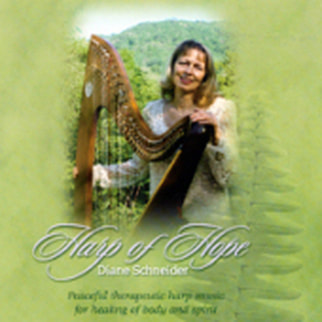
Harp of Hope
Greensleeves
Siciliana
The Ash Grove
Morning Has Broken
Come Back to Me
The Water is Wide
Pachelbel Canon
All Through The Night
Shenandoah
Kub Ba Yah
Abide With Me
Nearer My God to Thee
Simple Gifts
Amazing Grace
Rock of Ages
Brahms' Lullaby
Angel's Wing
Greensleeves
Siciliana
The Ash Grove
Morning Has Broken
Come Back to Me
The Water is Wide
Pachelbel Canon
All Through The Night
Shenandoah
Kub Ba Yah
Abide With Me
Nearer My God to Thee
Simple Gifts
Amazing Grace
Rock of Ages
Brahms' Lullaby
Angel's Wing
To purchase Harp of Hope CD,
click on the button below.
click on the button below.
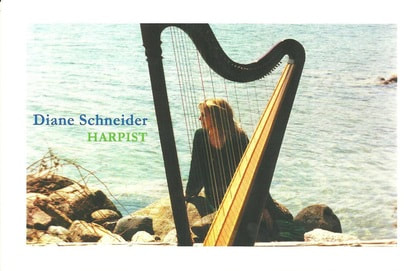
- Rock of Ages/Amazing Grace medley
- How Great Thou Art
- What A Friend We Have In Jesus
- Love is Little (American Shaker Song)
- Jesus Loves Me
- Ave Maria
- We Must Be Meek (American Shaker Song)
- O Sanctissima
- Tantum Ergo
- My Carnal Life I Will Lay Down (American Shaker Song)
- A Mighty Fortress Is Our God
- The Doxology
To purchase Harp of Quiet Faith CD,
click on the button below.
click on the button below.
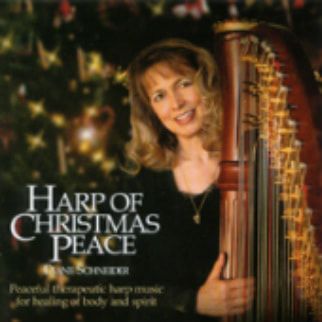
1. O Come O come Emmanuael 2. Lo How a Rose E'er Blooming 3. Good King Wenceslas 4. The First Noel 5. O Come Little Children 6. Christ Child's Lullaby 7. Bohemian Carol 8. Shaker Christmas Song 9. Bring a Torch, Jeannette Isabella 10. Huron Carol 11. Greensleeves 12. All Through the Night 13. I wonder As I Wander 14. Silent Night 15. Bonus Track - Snow Angels |
To purchase Harp of Christmas Peace CD,
click on the button below.
click on the button below.
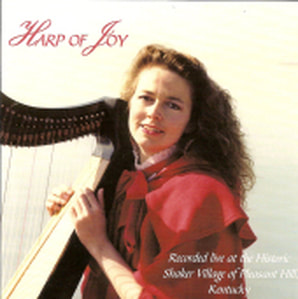
To purchase Harp of Joy CD,
Click on the button below. |
|
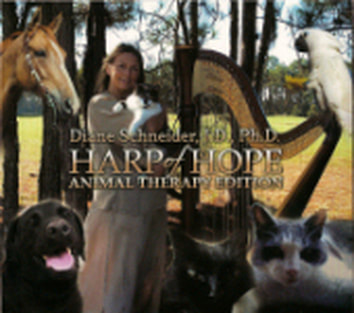
The tracks on this CD are the same as on Harp of Hope...please see above.
|
To purchase Harp of Hope - Animal Therapy Edition CD,
click on the button below.
click on the button below.
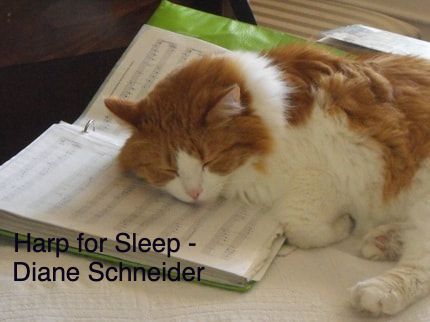
Harp for Sleep - Diane Schneider
|
To purchase Harp For Sleep CD,
click on the button below.
click on the button below.
To purchase the download of Harp of Quiet Faith,
click the button below.
click the button below.
To purchase the download of Harp of Christmas Peace,
click the button below.
click the button below.
To purchase the download of Harp of Joy
click the button below.
click the button below.
To purchase the download of Harp of Hope - Animal Therapy Edition,
click the button below.
click the button below.
To purchase the download of Harp for Sleep,
click the button below.
click the button below.
To purchase ALL FIVE CDs ON ONE USB STICK,
click the button below.